The London foreign exchange handover faced renewed recalibration as softening US sovereign yields and foreign policy statements from Washington induced fresh cross-currency gaps across European inter-dealer desks. Selling pressure on the US dollar emerged after President Donald Trump pushed back expectations of military aggression against Iran ahead of upcoming midterm elections. The de-escalation rhetoric prompted an immediate pullback in US bond yields, temporarily loosening the greenback's grip on global settlement corridors and giving currency desks room to digest accumulated cross-border orders.
The resulting dip in dollar momentum rippled across major sterling pairs and Asian clearing hours into early London dealing. In regional foreign exchange, the Indian Rupee secured a rebound against the dollar as sovereign yields cooled. Meanwhile, UOB strategists Quek Ser Leang and Lee Sue Ann highlighted that USD/CNH tracked an intraday bias tilted lower towards 6.6950 amid lingering technical resistance. Concurrently, massive Asian trade performance—evidenced by Taiwan's record trade surplus reaching US$23.6 billion on a 60.9 per cent year-on-year export surge in tech-related machinery and electrical equipment, as noted by ING's Lynn Song—underlined the persistent imbalance between commercial export flows and Western session liquidity absorption.
Collateral Pressures and Capital Mobility in Global Settlement
These pronounced divergences between regional trade balances and daily cross-currency liquidity pools continue to introduce friction during European session openings. When London desks take over from Asia-Pacific centres, absorbing overnight trade flows alongside shifting North American policy signals often creates pricing gaps in sterling crosses and wider currency pairs. Market infrastructure constraints remain central to this execution drag, particularly regarding how collateral is pledged across institutional clearing systems.
Addressing these structural blockages, Nasdaq Chief Executive Adena Friedman highlighted that tokenisation could free up tens of billions of dollars in capital currently trapped across global financial settlement frameworks. By modernising foundational collateral assets such as government Treasuries and equities through tokenised rails, clearing houses and institutional participants could potentially mobilise dormant balance-sheet capacity, easing intraday liquidity deficits that amplify session-to-session volatility.
Sovereign Volatility and the Bar for Broader Currency Corrections
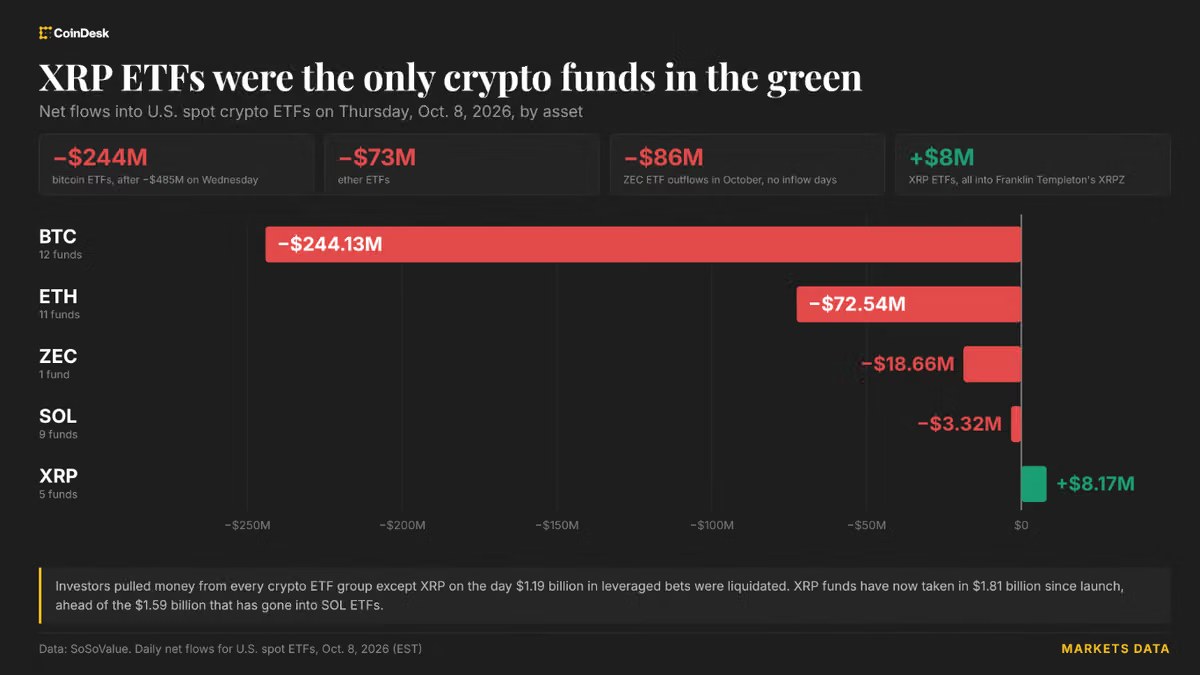
While currency desks navigate near-term dollar swings, cross-asset behaviour continues to signal caution across global capital markets. Alternative digital liquidity venues experienced mixed performance; Bitcoin advanced above $82,000 to trade near $82,500, approaching its benchmark high of $82,814 first breached on 21 November. However, broader institutional digital asset vehicles saw notable divergence, with XRP exchange-traded funds standing as the sole gainers while funds tied to Bitcoin, Ethereum, and Zcash recorded capital outflows.
Physical safe havens also reflected firm underlying demand amid broader trade uncertainties. In India, domestic gold prices rose to 13,012.39 Indian Rupees per gram, according to FXStreet data. This persistence follows historic adjustments across hard commodities, such as silver’s record trajectory from an opening level of $28.92 to just below $72 per ounce—an annual gain of approximately 144 per cent that established a high bar for any sustained structural correction in reserve currency valuations.
For trade policymakers and central bank liquidity committees monitoring market stability, these cross-currents highlight the sensitivity of London’s trading window to external macro shocks. As upcoming economic milestones, including US flash Consumer Sentiment and Canadian employment metrics, approach the tape, liquidity conditions across sterling and cross-currency channels will remain tightly tethered to the velocity of global collateral mobility and geopolitical posturing.