Regulatory authorities across international financial jurisdictions are confronting a converging set of systemic pressures, spanning state-sponsored cyber intrusions, vital maritime trade chokepoints, and structural labour adjustments in developing manufacturing centres. As capital markets rely increasingly upon offshore infrastructure and cross-border digital networks, recent events demonstrate how operational vulnerabilities can rapidly propagate through global clearing and settlement systems.
The scale of cross-border digital infrastructure threats was highlighted following official confirmation by the FBI that state-backed actors from North Korea were responsible for a $6 billion security breach at a major cryptocurrency venue. Federal law enforcement officials called upon the decentralized finance community to actively block associated Bitcoin, Ethereum, and Solana wallet addresses. Although the affected platform managed to resume withdrawals in phases after covering the bulk of the $6.3 billion in stolen assets, international regulators are examining how offshore custody structures and asset-freezing mechanisms operate during major operational disruptions.
At the same time, corporate capital management strategies demonstrate a heightened focus on equity structure efficiency amid shifting liquidity conditions. Recent regulatory filings show Micron Technology CFO Mark J. Murphy vesting 64,880 award shares following three-year performance certifications, while Medtronic successfully retired 55 million shares without spending cash. In parallel, technological developments in autonomous software agents continue to accelerate, marked by competitive launches targeted at advanced models like Anthropic's Claude Opus 5, which established a benchmark with its July 2026 launch featuring a 1 million-token context window.
Cyber Vulnerabilities and State-Backed Systemic Threats
For financial hubs in the Middle East and international offshore centres such as the Dubai International Financial Centre (DIFC), maintaining resilient legal frameworks and secure transactional rails remains critical. The exposure of decentralized protocols to state-sanctioned illicit finance underscores the urgent need for harmonised cross-jurisdictional oversight. Policy desk analysts note that offshore financial venues are increasingly tasked with balancing liquidity generation alongside strict compliance protocols designed to isolate compromised digital asset channels.
Geopolitical Chokepoints and Emerging Market Supply Risks
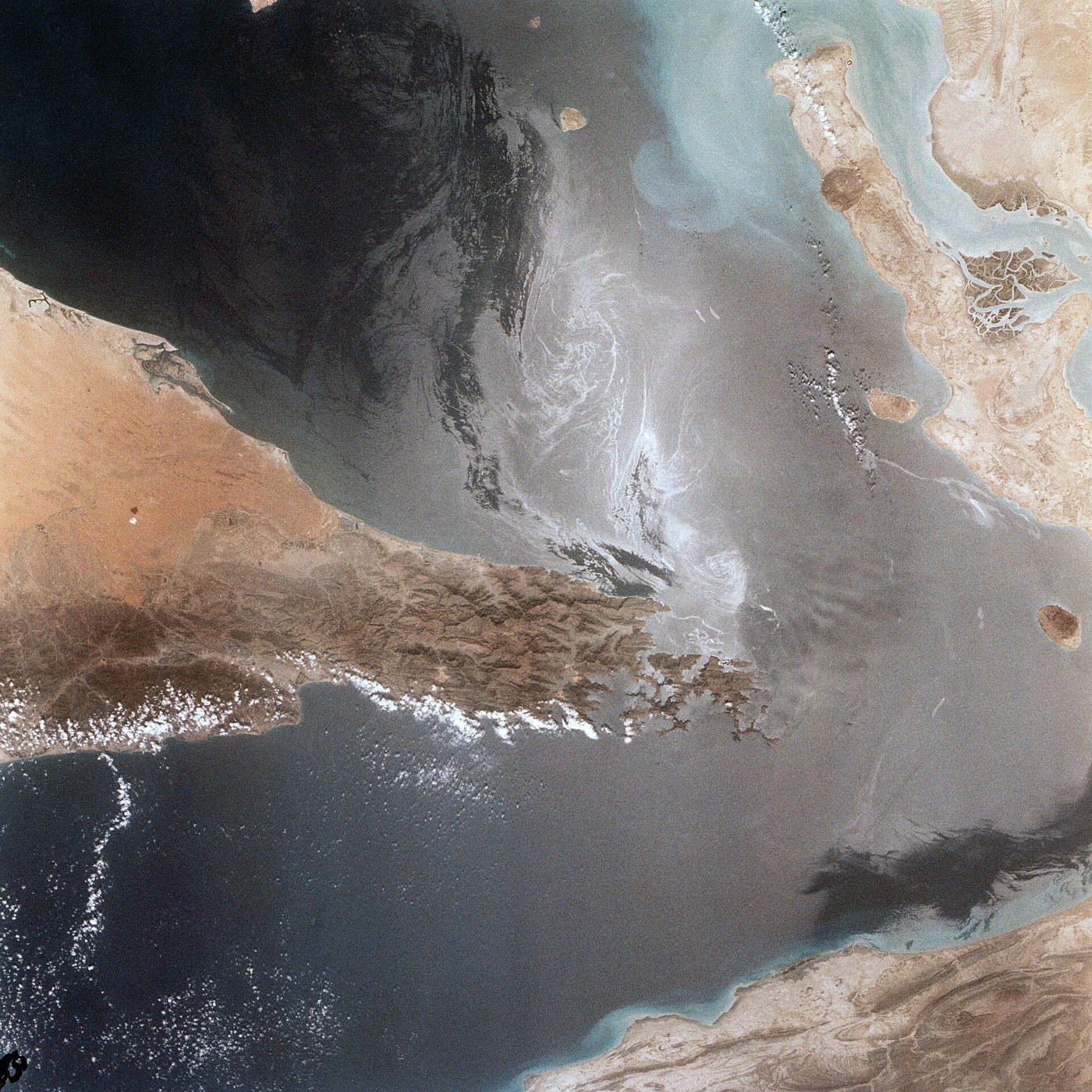
Systemic risks to energy and physical trade flows also remain acute. In the Middle East, market participants are monitoring diplomatic efforts after Iran put forward a 48-hour plan to reopen the Strait of Hormuz, coming as US officials signalled initial progress in talks following severe warnings of military escalation. Because the Strait serves as a primary conduit for global oil transit, regulatory bodies and commodities exchanges in regional hubs are assessing contingency measures to preserve orderly price discovery and contract delivery in offshore energy markets.
Meanwhile, labour and social friction continue to impact key links in global trade. In South Asia, the Bangladeshi government announced the formation of a formal wage board after widespread industrial unrest in Ready-Made Garment (RMG) hubs—including Dhaka, Gazipur, and Savar—forced more than 100 factories to shut down operations. In Europe, public discontent over living costs persists, illustrated by Portuguese police clearing housing protest camps in Lisbon and Porto following rallies involving thousands of demonstrators. Together, these socio-economic developments highlight the complex operational landscape confronting market infrastructure providers and international trade policymakers.