The U.S. forces began launching strikes against Iran at 8 p.m. Wednesday stateside, retaliating against Iranian missile attacks on American forces in the region, raising the specter of escalating conflict after a brief pause.
U.S. Central Command described the operation as a "powerful response" to Tuesday's "attempted Iranian attacks on U.S. forces based in the Middle East.
The fresh strikes come after the Islamic Revolutionary Guard Corps targeted American forces in the Gulf region with multiple ballistic missiles late Tuesday stateside, although all of them were intercepted. Jordan's armed forces said the country's air defenses intercepted five missiles launched from Iran.
Tuesday's surprise attack broke the pattern of Iran responding to American strikes, signaling Tehran's willingness to restart hostilities, said Seth Krummrich, vice president at security firm Global Guardian and a retired US Army colonel.
The move suggests Iran intends to "respond more aggressively to future U.S. military action and may be moving away from diplomacy," Krummrich said. Critical civilian infrastructure, including airports, power grids, desalination plants and Gulf energy facilities, could be targeted once again, he said.
The resumption of strikes marks the latest turn in a conflict that has whipsawed oil markets and disrupted shipping through the Strait of Hormuz since fighting erupted in late February. The U.S. had halted two weeks of fire against Iranian targets last weekend, as diplomats sought to give peace talks "some space."
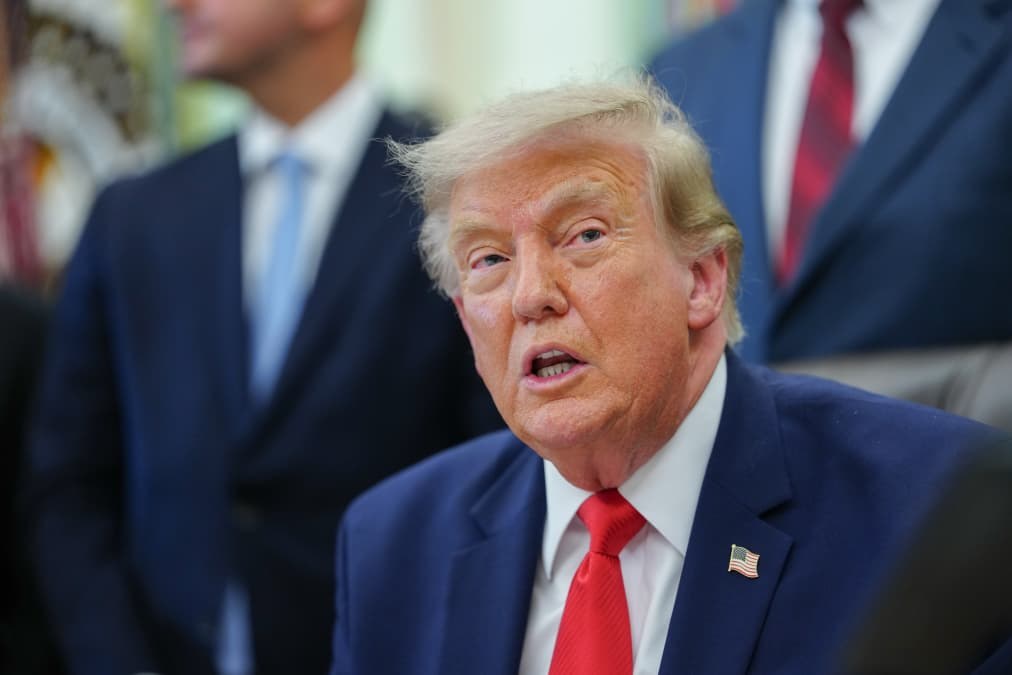
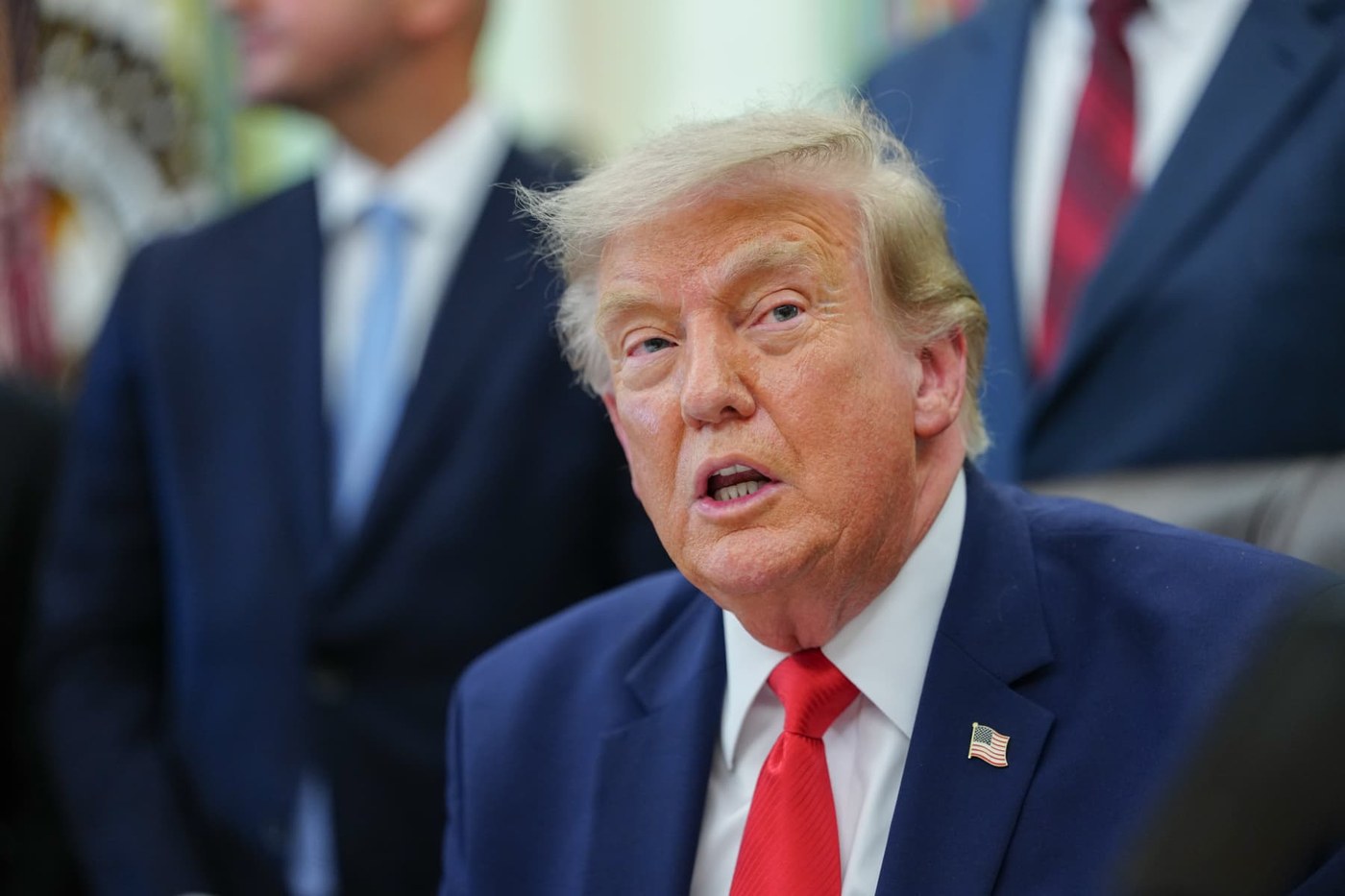
Trump telegraphed the retaliation hours earlier, warning to order heavy strikes on Iran. "We'll be hitting them hard. They're going to get a beating," Trump told a Fox News reporter early Wednesday.
Trump's rhetoric sent Brent crude futures 7.9% higher to close at $90.74 a barrel on Wednesday, while U.S. West Texas Intermediate futures advanced 6.6% to settle at $84.46. Oil was slightly lower in Asian trade on Thursday.
Hostilities have widened across the region. U.S. and Saudi Arabia armed forces launched joint strikes Tuesday against Iran-allied militias in Iraq that had targeted oil facilities in Riyadh and Saudi Arabia's Eastern region. Yemen's Houthis had claimed attacks on Saudi pipeline infrastructure feeding the Red Sea export terminal at Yanbu.
The barrage came as Israeli Prime Minister Benjamin Netanyahu met Trump at the White House for a "productive" 90-minute meeting on the Iran war.
Trump on Wednesday also demanded lawmakers amend a Russia sanctions bill to give him authority to tariff Iran. "I'd like them to add Iran as tariffs, not just as sanctions," he told reporters in the Oval Office, according to The Hill. U.S. goods trade with Iran was a minuscule $60.0 million in 2025.
'Cold water' on swift de-escalation
The escalating tensions are throwing "cold water on the idea of a swift de-escalation in the Persian Gulf" and dimming hopes of restarting negotiations, said Warren Patterson, head of commodities strategy at ING Bank.
The targeting of Saudi oil infrastructure is raising the risk of prolonged supply disruptions, Patterson said, citing reports that the kingdom's 400,000-barrel-a-day Jazan refinery had been shut following Houthi attacks over the weekend.
Tanker traffic through the Strait of Hormuz has effectively halted. Iran rejected Oman's proposal to evenly divide control of shipping through the critical artery, demanding an arrangement that gives it total oversight of inbound traffic and partial oversight over outbound lanes.
Oil cartel OPEC+ is expected to announce a supply increase of 188,000 barrels per day for September at its Aug. 2 meeting, completing the unwinding of 1.65 million barrels a day of voluntary cuts, Patterson said. Once disruptions fade, the added supply reinforces the view of a well-supplied market through 2027.